
Dam Automation System
DAM AUTOMATION

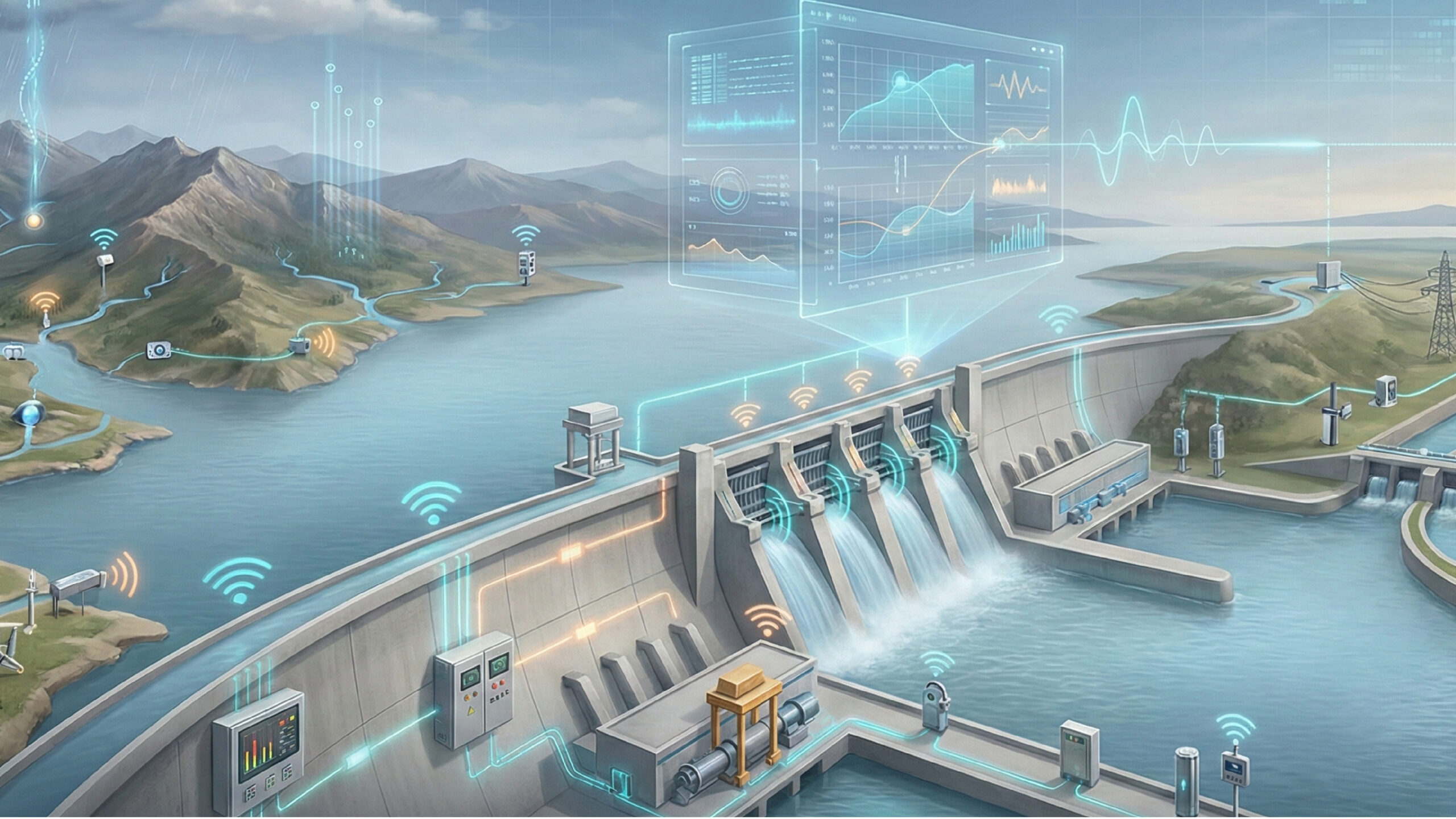
What it is
Integrated monitoring & control of dams & reservoirs
Key Components
Level, inflow/outflow & seepage monitoring Gate position & control Central SCADA & decision support
Key Benefits
Enhanced dam safety Controlled releases Regulatory compliance
Use Cases
Irrigation dams, hydropower reservoirs
India’s river systems and reservoirs are responsible for irrigation, drinking water, and flood management, but a significant number of dams in the country continue to be checked via old and manual methods. This is precisely why DAM Automation Systems in India have become the talk of the town in recent times, as they bring real-time data into the picture to prevent disaster before it even happens. One of the many firms that are spearheading the change is AMSET Technologies, which is a Pune-based engineering firm that specializes in IoT and SCADA-based monitoring solutions.
Manual Methods to Check Dam Safety
Until recently, the safety and efficiency of India’s dams had been dependent on periodic physical inspection, handwritten notes, and manual reading of gauges. Although such techniques worked in the case of older dams and a relatively smaller number of them, they cannot cope with climate change anymore. For instance, cloudburst, floods, and increased pressure on the structure could take place within just a few hours.
It is right here that the application of a modern DAM Automation System in India makes the difference. Such a system captures water levels, seepage rates, gate position, and structural vibrations in real-time via sensors installed all over the dam’s structure and reservoirs. Thus, instead of getting a one-day picture about the current state, dam operators receive a live update.
Impact of Automation on the Process
A properly set-up automation system usually uses the following elements:
● IoT sensors installed at strategic locations on the dam’s structure and reservoirs measuring the water level, precipitation, and seepage;
● SCADA software collecting the sensor data and showing the information on a dashboard visible to engineers;
● The automated alert system informing the authorities about any dangerous readings from sensors;
● Remote gate control allowing to manage the water releases without waiting until the situation becomes critical.
Thanks to continuous logging, the analysis of long-term trends becomes possible as well. Thus, engineers may compare the characteristics of the current monsoon season with those of previous years and monitor any slow changes in the dam’s structure.
Why Pune Is Emerging as a Hub for This Technology
Pune has quietly become one of the more active centers for industrial IoT development in western India, and that includes solutions built for water infrastructure. The city’s strong base of engineering talent, software expertise, and hardware manufacturing has made it a natural fit for companies designing sensor-based monitoring systems. It’s no coincidence that several firms offering a DAM Automation System choose to headquarter their research and development work in Pune rather than in larger, more crowded tech centers.
AMSET Technology is one such company. Based in Pune, the company has developed a reputation for developing tough, field-tested hardware alongside cloud-based software that can be accessed by engineers from anywhere. This strategy shows an emerging trend of Indian technology companies in general – develop in-house, test in the field, and roll out nationally.
What Makes a Good Automation Partner
Not every automation vendor understands the specific challenges of dam infrastructure, so choosing the right partner matters. A few things worth checking before signing on with any provider include:
1. Field experience: Has the vendor actually deployed sensors in outdoor, weather-exposed environments, not just indoor factory settings?
2. Data reliability: Does the system store readings locally if internet connectivity drops during a storm, the exact moment data matters most?
3. Scalability: Can the same platform expand from monitoring one dam to an entire river basin without a complete redesign?
4. After-sales support: Is there a local team available for maintenance and calibration, or does support come from another state or country?
AMSET Technology addresses these points directly, offering solutions tailored to India’s monsoon patterns and rugged terrain rather than adapting systems built for other climates.
The Bigger Picture for Water Safety
Floods resulting from dam failures and mismanagement are extremely costly in both human life and money. There have been numerous close calls in India, making it necessary for the country to adopt such technologies sooner rather than later. The government is quite receptive to spending money on these technologies now.
As more states evaluate their aging dam infrastructure, demand for a reliable DAM Automation System in India will likely keep growing. The technology isn’t just about convenience it’s about giving engineers the lead time they need to protect communities living downstream. Yearly rainfall is becoming increasingly unpredictable, and reservoirs, which used to have plenty of leeway, are operating at higher levels than ever before.
While water infrastructure does not receive as much public recognition as other infrastructure, such as roads or electricity, it causes much more destruction when it fails. Investing in a dependable DAM Automation System in India, built by engineering teams in places like Pune, is one of the most practical steps a state can take toward reducing that risk. With companies like AMSET Technologies developing purpose-built solutions for Indian conditions, the shift from manual gauges to intelligent, connected monitoring is well underway and it’s a shift worth paying attention to.